Solar eclipse 2026: A guide to making the most of this extraordinary astronomical phenomenon
Pedro Duque explains everything you need to know about the 12 August eclipse: why it happens, how to observe it safely and other facts
5 reading time
On the afternoon of Wednesday, 12 August, millions of people will turn their eyes to the sky to witness one of the most extraordinary astronomical events of recent decades: a total solar eclipse, visible in Spain for the first time in 100 years.
The solar eclipse will be an opportunity to bring us closer to space, gain a better understanding of the movements that govern our universe, and highlight the technologies that allow us to observe, analyse and anticipate events taking place hundreds of millions of kilometres from Earth.
With this objective in mind, I have prepared a guide to explain what will happen on 12 August, what we will be able to see and how to observe it safely, as well as answer some questions that are likely to arise.
Where will the solar eclipse of 12 August be visible?
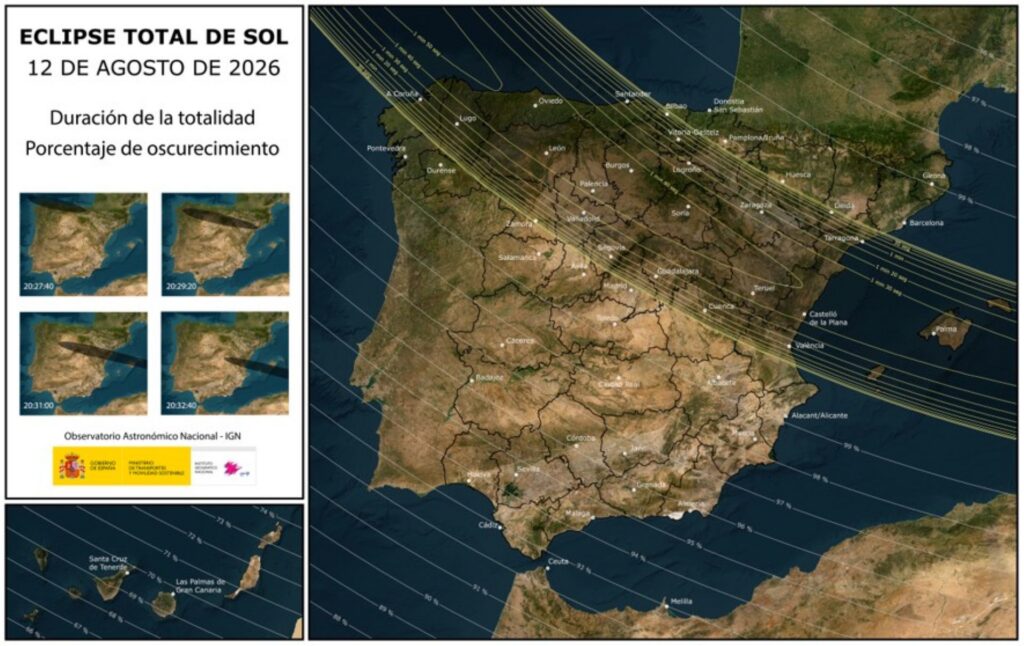
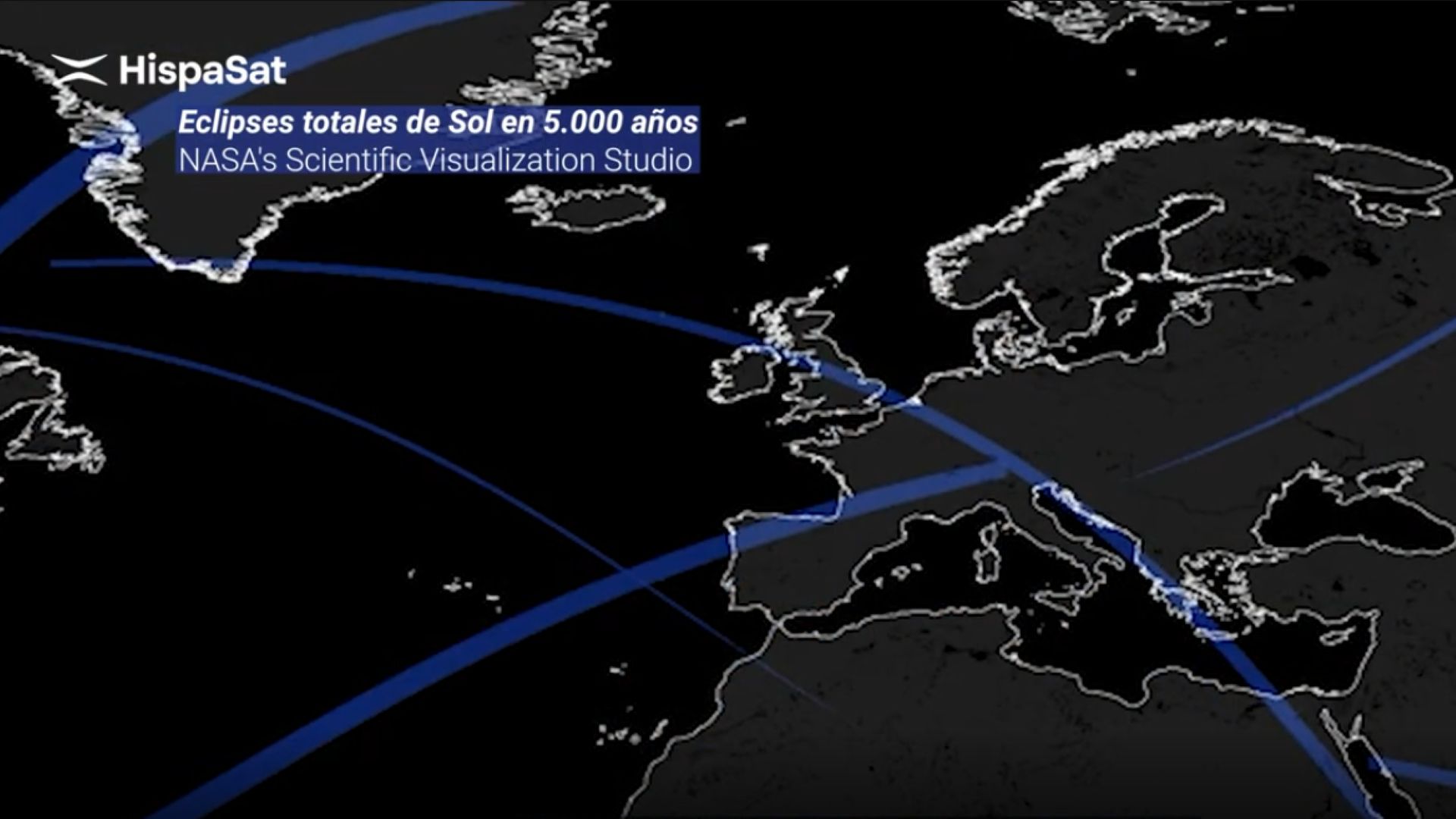
The best places to view the 2026 solar eclipse are those located along a line stretching from Galicia to Castellón, as well as the Balearic Islands. If you live north or south of this band, you will still be able to see it, but only as a partial eclipse. In other words, only within the central band will the Sun be completely obscured by the Moon. Outside this area, part of the Sun will remain visible throughout the event, and daylight will continue to reach us.
Incidentally, there will also be another total eclipse next year, passing over Cádiz and Málaga. So, if you miss the one on 12 August, you will have another opportunity in 2027.
Why do solar eclipses occur?
A total solar eclipse occurs when the Sun, the Moon and the Earth align, and the Moon’s shadow reaches our planet. That shadow briefly turns day into night and, in many ancient cultures, carried powerful meanings. A total eclipse at any given location is a very rare event and does not occur regularly like the cycles of the Moon or the seasons.
A total solar eclipse occurs when the Sun, the Moon and the Earth align, and the Moon’s shadow reaches our planet. That shadow briefly turns day into night and, in many ancient cultures, carried powerful meanings.
What exactly will happen during the solar eclipse on 12 August?
The Moon will begin to cover the Sun at around 19:30 (mainland Spanish time). The light will become unusual, colours will fade and temperatures will drop. Animals, especially birds, may also behave strangely.
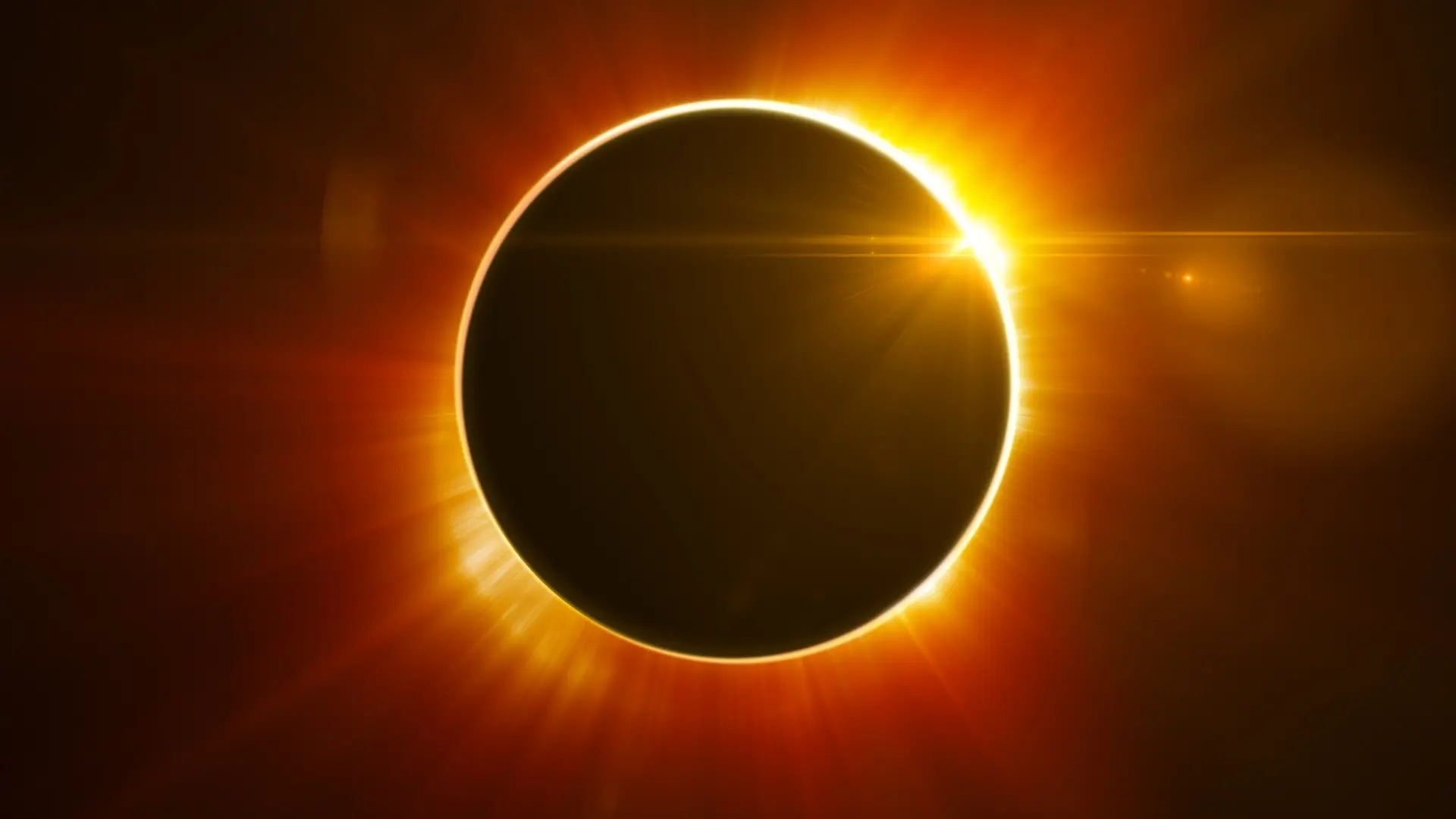
At around 20:30, the diamond ring effect will appear: the last ray of sunlight shining through the valleys on the Moon’s surface. Instead of a continuous line of light, we will see points of light. At this stage, we will still need to be wearing eclipse glasses.
Immediately afterwards, the Sun will disappear completely. Day will turn to night, and we will be able to see the solar corona: a halo of light surrounding the darkened disc. Only at that moment, during totality, will we be able to remove our eclipse glasses and appreciate this halo of light.
The total eclipse will last less than two minutes. A brief period of time, but an unforgettable one. As soon as the first ray of sunlight reappears, the eclipse will be over and we will need to put our glasses back on.
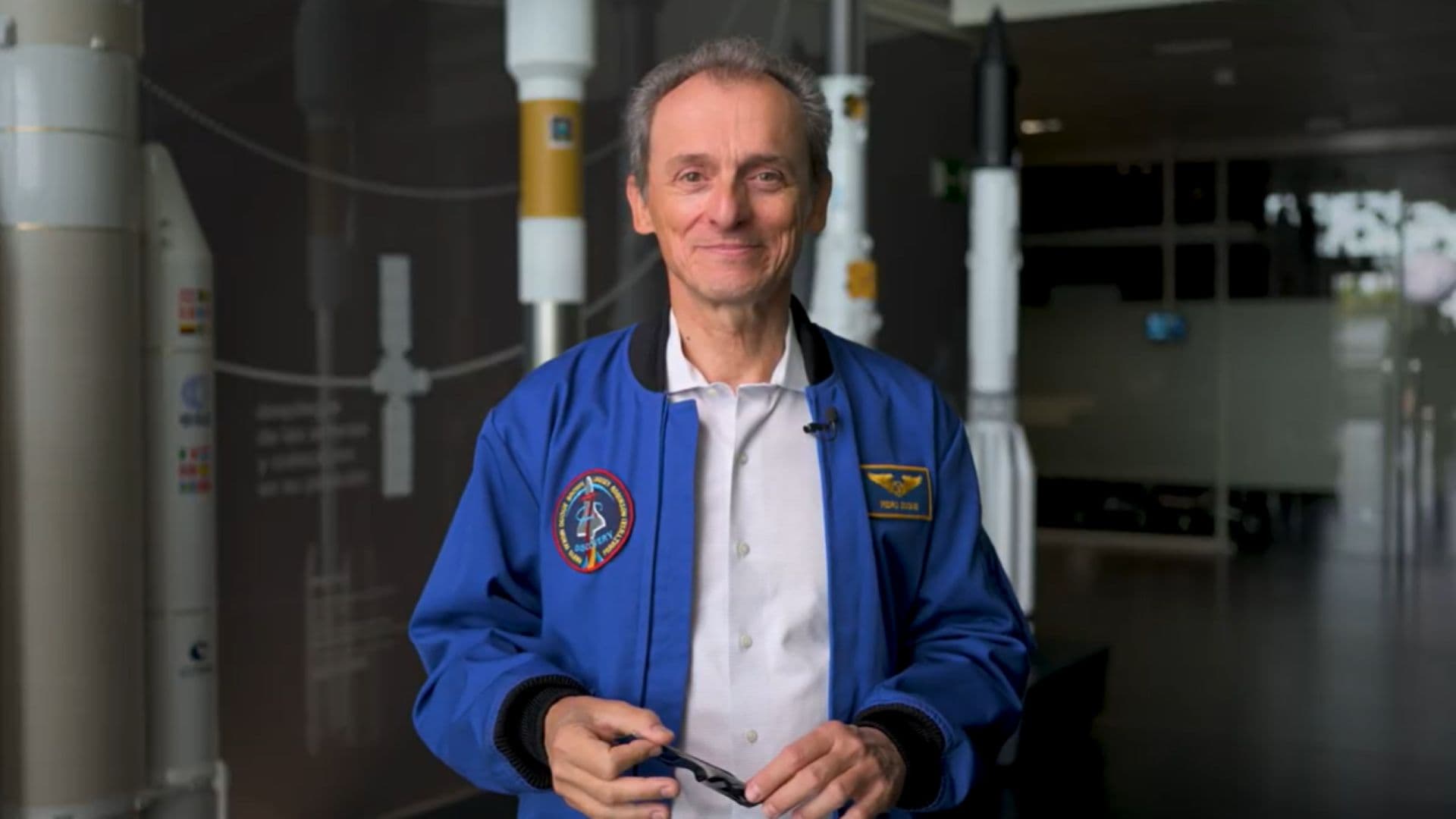
In this video, I explain more details and share a fact you may not know.
How to watch the solar eclipse safely
If you do not yet have your eclipse glasses for 12 August, you should start looking for them now. Why do we need eclipse glasses? Because looking directly at the Sun can cause serious and permanent eye damage. That is why looking directly at the Sun is uncomfortable and prompts us to look away instinctively.
However, during a total eclipse, the Moon gradually covers the Sun and that feeling of discomfort diminishes. And that is precisely what makes it dangerous, because even if it does not feel uncomfortable, looking at even a small part of the Sun during the eclipse can burn the retina within seconds, without pain and sometimes permanently. That is why eclipse glasses are so important.
In this video, I explain some recommendations you should bear in mind, because protecting your eyesight is a very serious matter.
If there is a solar eclipse, will satellite internet and television still work?
Satellites operate using energy from the Sun through their solar panels. During a total eclipse, the Moon moves between the Sun and the Earth, and we might assume that if the Moon blocks the Sun’s light, satellites would be left without power. So, will satellite internet stop working? What about satellite television? Will the signal be lost?
You will find all the answers in this video.
100 years waiting for a total solar eclipse in Spain
The key takeaway is simple: On 12 August, we will be able to witness a total solar eclipse in Spain, an astronomical phenomenon that has not been visible from our country for a century. Day will turn to night, but before the Sun is completely covered, it will be essential to take every precaution to protect our eyesight. Enjoy the eclipse!
When we look directly at the Sun, it causes discomfort and we instinctively look away. However, during a total eclipse, the Moon gradually covers the Sun and that sensation of discomfort starts to disappear. And that is where the danger lies, because even if it does not feel uncomfortable, looking at even a small portion of the Sun during the eclipse can burn your retina in a matter of seconds.